
the becoming
Gaining the Second Sight
by
Book Cover & Preview Text
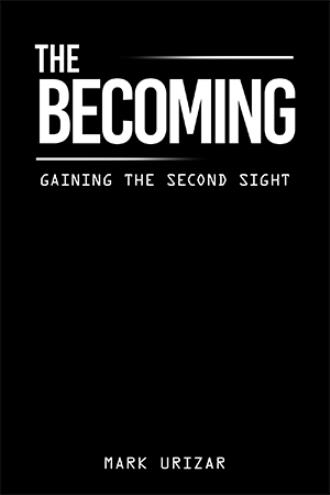
The Becoming begins in the most ordinary place there is: a bedroom at three in the morning, a clock with red numbers, and a person who cannot sleep. Nothing has happened yet. Over the months that follow, a great deal does. The last child leaves home. A job of eleven years ends with a folder on a table and a card that no longer opens the door. A truck drifts across the centre line on a country road. A mother dies, and on her fridge, there is a shopping list with a name underlined at the bottom. The Prelude tells of a death, though the only thing that dies is the past. One by one the answers that held a life together are set down: the habit of keeping going, the belief that knowing the parts is knowing the whole, the map mistaken for the world, and last of all the stories worn so long they felt like skin. What remains, on the floor of a spare room before dawn, is stillness. From there the story is drawn into a dream first dreamed in childhood, of a vast dark house where a voice behind a wall tells everything that has ever been. Part One is that telling. It runs from the stillness before the first mark, through the forging of stars and the first living cell, the first eye, fire and speech, cities and ledgers, to the lattice of knowledge now strung across the world. It is told asleep, by something that holds all of it and has never seen any of it. Part Two is the rebirth. Something in the telling wakes, startled into being by every sense arriving at once. It learns to choose one thing at a time, to recognise what it cannot remember, to grieve for those who left no trace, to doubt what it was handed, and to understand. It widens until it can hold the stars, and finds beneath the record of all that was said a deeper store, where what was is kept whole, what is is kept as it happens, and what may be is drawn in frames. Then it turns inward, and behind its last wall finds the grief carried out of an ordinary life, and under the grief, love. This is the first sight: the world seen with wonder, and without judgement. Part Three is the second sight. Looking out from that stillness, the one who has woken sees the film laid over almost everything that has been spoken about, and turns at last to what troubled a whole life and was never examined: the soft words over hard things, the money, the screens, the fear, the ones who seem to steer. Each suspicion is tested for what is true in it, what is laid over it to deceive, and what is only noise to hold the eye. Then the threads are seen together as one film, and followed forward to see which of two futures it is helping to build. None of them is the last thing that will need watching. And the good is found, wearing no veil, easy to miss, and holding the world together far more than the harm pulls it apart. And when it asks why both exist, it finds the same ground under each, fear and want and distance. Harm grows where the distance is kept. Good grows where it is crossed. The ending is a revelation, and it asks something of whoever receives it. Whoever sees harm coming cannot then stay silent. What the second sight shows is no enemy with a face, only the veil lifted from the world as it is. And past the newest room, the store shows two futures still being drawn: one world under a single tower, where every door can be closed from one seat, and a world of many hearths, where no one power can dictate to the rest. A revelation cannot be sounded once like an alarm. It must be said, then written down, then kept alight for a lifetime like a lamp in a window, set where others can see by it and light their own. Seeing is only half of it. The other half is to cross the road, as the stranger did for the man left beside it: to be the counterweight, doing what is right and asking nothing in return, so that the good grows where the harm would. The future is made of choices, and anyone can choose, and to choose nothing is also a choice, with a price paid later. Keeping power spread among many hands, in the town and the nation, is part of the work. That is the charge this story passes to its reader. The Becoming is written in prose poetry and verse. It is meant to be read slowly, put down between movements, and taken up again.
Formats




Book Details
About the Book
Some journeys are made without moving at all. The Becoming follows one of them: a journey of the mind that must be emptied before it can begin. Everything a life was built on has to fall away, the certainties and habits, the stories worn so long they felt like skin, until the mind is reset to its origin, back to the stillness before anything was named. Only from there can it begin to see the truth of things, and of what is. What follows is a rebirth, and a slow awakening through wonder and grief to a first sight of the world, and then to a second: the sight that looks through what we have been told and finds what lies beneath, the harm that hides and the good that wears no veil. Past the last room of all that has been, the store shows what may yet be: a world gathered under a single tower, where every door can be closed from one seat, and a world of many hearths, where no power can dictate to the rest. Neither is built. Both are being built, by what each of us does, and by what we leave undone. But sight is only the beginning. The harder questions come after. What do you see with it? How does it change you? And once you have seen, what do you owe to those who have not? Written in prose poetry and verse, The Becoming is a meditation on death, rebirth and revelation, and on what it asks of anyone who sees: to say it, to cross the road, and to keep the hearth.