
A Roadmap to Political Power
by
Book Cover & Preview Text
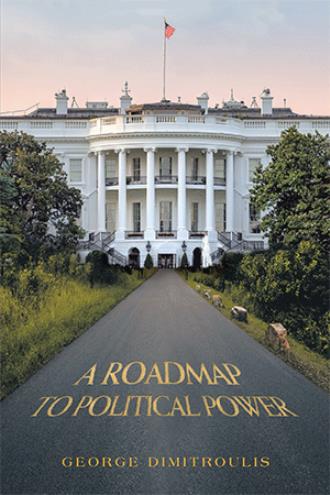
Five hundred years ago, in a quiet farmhouse on the outskirts of Florence, a lonely, retired diplomat, Niccolò Machiavelli (1469-1527), wrote his timeless masterpiece The Prince in 1513, which he dedicated to Lorenzo, nephew of the reigning Pope. It became a 16th Century classic about political power in Renaissance Italy and is still widely read by modern scholars, students, and politicians all over the world. Niccolò Machiavelli was an Italian historian, who is credited as one of the main founders of modern political science. The Prince is a classic book about securing power by whatever means necessary. If Machiavelli lived long enough to write an updated version of his most famous book, The Prince, one wonders how modern history would have altered his thoughts and ideas on political power. Ideas such as how a person acquires the power to rule over others? Where the source of power comes from? What abilities individuals need to acquire power, retain power, and exert power over others? To help answer these questions, we will look at the profiles of leading political figures who influenced and shaped our modern society which provide us with a great deal of insight as to how power can be manipulated for good and evil. There are people who moan and groan about all the injustices of the world while never getting out of their comfort zone to do something about those injustices. Gandhi said, "Be the change you want to see in the world," which was a rallying call to get people actively involved in changing their circumstances. Essentially, politics is the only way you can make a difference. Unfortunately, there is no job security in politics, so it takes a certain kind of person with good survival instincts to navigate the tortuous road to political power. So, what does it take to be a successful politician? Many will argue force of personality, will power, patience and determination are the key factors that define a good political leader. According to Descartes, those who go forward very slowly and carefully by following the right road do much better than those who are in too much haste and stray off it. Successful political leaders never seem to be in a hurry as hurrying betrays a lack of control. They always seem patient, as if they know that everything will come to them eventually. They learn to stand back when the time is not yet ripe and strike fiercely when the time is right. That is why experienced politicians accept the randomness and uncertainty of the universe and focus on things they can control. Uncertainty ensures that life will always have surprises, regardless of how carefully we plan. The more you try to be certain about something, the more insecure and uncertain you will feel. The more you embrace and accept uncertainty the more comfortable you will feel in knowing what you don't know. Uncertainty opens your mind up to new experiences. When circumstances change, you must be able to change with them, rather than slavishly sticking to your prior beliefs. Curiosity helps us to tolerate uncertainty because only the curious, who are open to learning, have a much greater chance of achieving a truly novel solution. Political life naturally involves continual trade-offs to get what we want and making a choice often means giving up something.
Formats

Book Details
About the Book
So, you want to be the next President or Prime Minister. What does it take to achieve this admirable goal? Well, history has repeatedly shown that successful politicians are not problem minded, they are opportunity minded. Another essential prerequisite is your ability to sell yourself. Hence, if you are an opportunist seeking to satisfy your narcissistic desires then politics may well be your calling. All you need to know is in this book. And if you do succeed in your quest to rule the world, then make sure you mention this book, hit the like button, ring the bell, and subscribe to this channel. Afterall, who bothers to read books like this when it's all out there on the internet. Fortunately, for those who live in countries where internet access is tightly controlled by paranoid governments, this book is your next best thing as far as helping you climb the greasy pole to political power. So, what are you waiting for? Let's get started!