
Therapeutic Applications of Phytomedicines
by
Book Cover & Preview Text
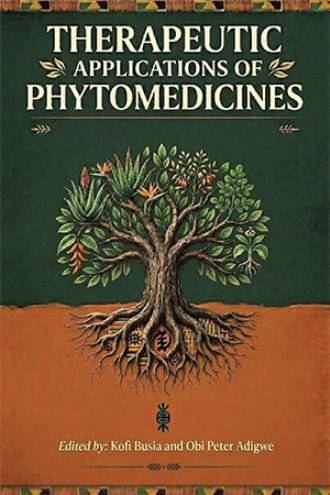
Medicinal plants have been used for centuries to prevent disease, promote wellbeing, and restore health. In recent decades, growing scientific interest in phytomedicine has reinforced what many traditional societies have long understood: plants contain bioactive compounds capable of making significant contributions to human health. As healthcare systems around the world seek affordable, accessible, and sustainable therapeutic options, phytomedicines are attracting renewed attention from researchers, clinicians, policymakers, and the public. Africa possesses one of the richest reservoirs of medicinal plant diversity and traditional medical knowledge in the world. Across the continent, communities have relied on plant based remedies for generations, developing sophisticated healing systems rooted in local culture and experience. Despite this rich heritage, many challenges continue to limit the full integration of phytomedicine into mainstream healthcare, including concerns relating to quality, safety, efficacy, standardisation, regulation, and research capacity. Therapeutic Applications of Phytomedicines provides a timely examination of these issues by highlighting the enormous opportunities that medicinal plants offer for improving health outcomes. The volume brings together diverse perspectives from experts working at the interface of traditional medicine, biomedical science, public health, and policy. The result is a comprehensive exploration of both the therapeutic potential and the practical realities of phytomedicine in contemporary healthcare. The opening chapter examines the prospects and challenges of developing phytomedicine in Africa. It explores the continent’s unique strengths, including its biodiversity, indigenous knowledge systems, and growing research infrastructure. At the same time, it addresses barriers such as inadequate investment, weak regulatory frameworks, limited standardisation, and insufficient collaboration between traditional and conventional healthcare sectors. The chapter provides a valuable foundation for understanding the broader context within which phytomedicine continues to evolve. Subsequent chapters focus on specific therapeutic applications. Prostate disorders, which affect millions of men worldwide, are discussed from a phytotherapeutic perspective, highlighting medicinal plants that have shown promise in supporting prostate health. The book also explores herbal approaches to managing gynaecological disorders, reflecting the long-standing role of medicinal plants in women’s healthcare across many cultures. One of the distinguishing features of this volume is its willingness to address complex and sensitive topics. The chapter on herbal abortifacients examines an area that has often received limited scholarly attention despite its public health significance. The discussion is presented with scientific rigour, ethical sensitivity, and an emphasis on safety considerations, providing readers with a balanced understanding of the subject. The management of metabolic disorders represents another important focus of the book. Rising rates of diabetes, obesity, and cardiovascular disease have become major health concerns globally. The chapter on phytomedicines for managing high cholesterol and elevated blood sugar levels reviews evidence supporting the use of selected medicinal plants and discusses their potential role as complementary interventions within broader health management strategies. Beyond disease specific applications, the book encourages readers to rethink conventional understandings of health and healing. The chapter on phytomedicine and life medicine introduces a holistic framework that recognises the interconnectedness of physical, mental, social, spiritual, and environmental dimensions of well being. This perspective resonates strongly with many African healing traditions and offers valuable insights for developing more person-centred healthcare systems. Safety remains a central concern throughout the volume. The chapter examining the impact of agrochemicals on herbal product safety addresses a challenge that has become increasingly important in modern agricultural systems. Contamination of medicinal plants by pesticides, herbicides, and other agrochemicals can compromise product quality and potentially threaten consumer health. By reviewing contamination risks and mitigation strategies, the chapter highlights the importance of robust quality assurance systems in phytomedicine production. Another timely contribution concerns the role of traditional medicine in combating antimicrobial resistance. As resistance to conventional antimicrobial agents continues to rise globally, the search for new therapeutic options has become increasingly urgent. The book explores how medicinal plants and traditional medicine knowledge may contribute to addressing this challenge, opening new avenues for research and innovation. Throughout the volume, readers will encounter a recurring theme: the need for meaningful collaboration between traditional and conventional systems of medicine. Rather than viewing these systems as competing alternatives, the contributors argue for approaches that recognise their complementary strengths. Such collaboration has the potential to improve healthcare access, enhance patient choice, stimulate innovation, and support culturally responsive healthcare delivery. The multidisciplinary nature of the book makes it relevant to a wide audience. Students will gain a strong foundation in key concepts and contemporary issues in phytomedicine. Researchers will find valuable perspectives on emerging areas of inquiry. Healthcare practitioners will benefit from discussions of therapeutic applications and safety considerations. Policymakers will gain insights into the regulatory and institutional frameworks needed to support responsible phytomedicine development. As interest in integrative healthcare continues to grow worldwide, the importance of scientifically informed and culturally grounded resources cannot be overstated. Therapeutic Applications of Phytomedicines contributes to this need by presenting evidence based discussions while respecting the knowledge systems that have sustained medicinal plant use for generations. This volume ultimately offers more than a review of medicinal plants and their applications. It provides a vision for the future; one in which scientific innovation, traditional knowledge, and public health priorities work together to create more inclusive, effective, and sustainable healthcare systems. By exploring both opportunities and challenges, the book invites readers to engage critically with the evolving field of phytomedicine and to consider its potential contribution to global health in the twenty-first century.
Formats

Book Details
About the Book
Therapeutic Applications of Phytomedicines examines the growing role of plant-based medicines in contemporary healthcare, integrating scientific research, traditional knowledge, clinical practice, and policy perspectives. Drawing on Africa’s rich medicinal heritage, the book explores the contribution of phytomedicines to the prevention and management of major health challenges, including prostate and gynaecological disorders, metabolic diseases, antimicrobial resistance, and other conditions of public health importance. The volume addresses key issues influencing the development, quality, safety, and effective use of herbal medicines, including standardisation, quality assurance, agrochemical contamination, and regulatory frameworks. It also introduces the concept of life medicine, presenting a holistic approach to health that connects traditional healing philosophies with modern biomedical science. Written by leading experts from diverse disciplines, the book offers valuable insights for students, researchers, healthcare professionals, and policymakers. By highlighting current advances, emerging opportunities, and persistent challenges, it contributes to ongoing efforts to strengthen evidence-based phytomedicine and promote the sustainable use of medicinal plants in Africa and beyond.