
THE GREAT disappointment
-the coming era
by
Book Cover & Preview Text
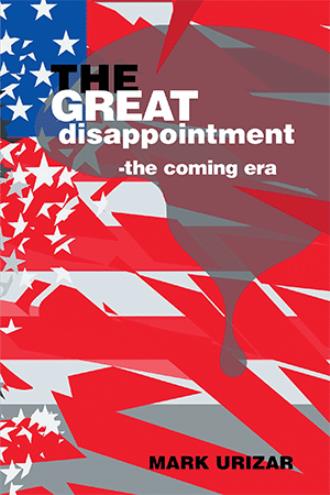
THE GREAT DISAPPOINTMENT This book takes its title from a morning in October 1844. William Miller was a Baptist farmer in upstate New York. He spent thirteen years studying the book of Daniel. From its prophecy about the cleansing of the sanctuary, he concluded that Christ would return around 1843. When 1843 passed, a fellow believer refined the calculation to a specific date. That date was October 22, 1844. Estimates of his followers vary widely. A contemporary observer, the geologist Charles Lyell, put it between sixty and one hundred twenty thousand followers. Most twentieth-century historians settled on a narrower figure, near fifty thousand, right before the date. Farmers left crops unharvested. Believers gave away possessions they would no longer need. October 22 came and went like any other day. The disappointment that followed came to be known, among Millerites themselves, by the name this book borrows. They called it the Great Disappointment. I did not set out to write a book about a nineteenth century farmer. I set out to check a different claim. A post said an artifact had been dug out of the ground at Ur in the 1920s. It carried a date for when the sky would change. Nearly thirty years of managing projects and buildings has taught me what to do with any claim that matters. I go looking for the record behind it. There was no excavation report, no translator anyone could find, no researcher whose name led anywhere. The tablet does not exist. Chapter One tells that story in full. What stayed with me after I closed that search was not the fake. It was the question the fake had borrowed its power from. That question was buried under the false date and the invented chain of custody. If something large and genuinely disruptive did arrive, on a schedule or without one, would we be ready for it? And would we be able to tell whether it was real or manufactured, and whether this again led to another great disappointment? This book uses that name for more than one thing. The Millerites’ Great Disappointment was a single morning. It was named only after the fact, when what was prophesied failed to eventuate. A second sense sits inside the years since the Cold War ended. That one is recognized only gradually, its cause still running while it accumulates. Chapter Fourteen names it directly. A third sense is a failure of discernment. It mistakes a manufactured emergency for a real one, or a real one for a manufactured one. Chapters Five and Eight both test that failure against real cases. A fourth sense is the one the tablet poses most directly. It is a failure to prepare for something genuinely disruptive, despite the warning being fake. All four senses share one root. Each depends on whether a claim gets checked before it is acted on, rather than after. These questions are the spine of this book. The chapters that follow set the tablet down and turn to a record that is real. That record includes the wars we are fighting and the ones we were told had already ended. It includes the debt on the country's books and the currency's shrinking share of the world's reserves. It includes the percent of Americans who say they trust their government to do right most of the time. The tablet is not the only kind of manufactured story this book checks. Some manufactured crises are real. On confirmed occasions, a government has staged the very emergency it needed. It later used that emergency to justify a war or a new power. Chapter Five lays out six such cases. It also covers one case that carries all the same warning signs, without ever being confirmed. Chapter Eight builds the same test for a harder problem sitting underneath both the tablet and those cases. It is nearly impossible to verify everything placed in front of us. That gap is exactly what a fabricated tablet, or a staged crisis, is built to use. I have tried to hold this book to the same standard I would use on a project file. Every figure carries a source. Where a claim is contested, I have said so rather than picked the version that fits the argument better. Where I could not confirm something, I have marked it rather than let it pass as settled. That discipline was used so to reach the truth. That matters most on a subject where trust itself is running short. A reader closes this record with a method, not a verdict. These chapters do not settle whether the shock still ahead is a fiscal reckoning, a war that outgrows its own justification, or something never named in these pages. What they can leave a reader with is the habit built into every page that follows: check before you believe, and say so when a check comes back unclear. That habit is the real stake of this book, more than agreement with any single conclusion in it. The book runs in four parts. Part One, The Reckoning, measures the gap between what we told ourselves after the Cold War ended and what we built. Part Two, The Ledger, puts the numbers on the table, from the wars and the debt to the collapse in public trust. Part Three, The Vigil, turns from the country's record to the reader's own judgment, testing what it takes to hold a conviction worth holding. Part Four, The Way Through, names the full shape of the disappointment and sets out five concrete ways a system could be made to reward being right over being comfortable. I am not predicting another October 22. I am asking whether we are any more ready for a real one than the Millerites were. That question rests on the numbers this book have already gathered. A personal reflection closes the book, set apart from the record because it does not rest on the same evidence. It asks the same question this front matter has asked, aimed at whatever private tablet a reader has been carrying rather than at a country.
Formats





Book Details
About the Book
In 1844, thousands of Americans gave away their possessions certain the world would end on a set date. When it didn't, they coined the name for what followed. They called it the Great Disappointment. This book borrows it for a pattern still repeating. It is happening again, dressed as a countdown. A tablet claims to predict a pole shift for March 2029. No excavation, no translator, no researcher behind it holds up. But the question it raises outlives the fake. If something like that did happen, would we be ready? And would we be able to tell whether it was real or manufactured, and whether this again led to another great disappointment? But a second Great Disappointment does not need a fake tablet to arrive. This one is real. It has been building for thirty-five years, since the peace promised at the end of the Cold War. It never had a single morning of its own. It has been arriving in pieces instead, each one easy to explain away on its own. Add them up, and the pieces total a pattern with a name history already gave it. This book names it directly.